
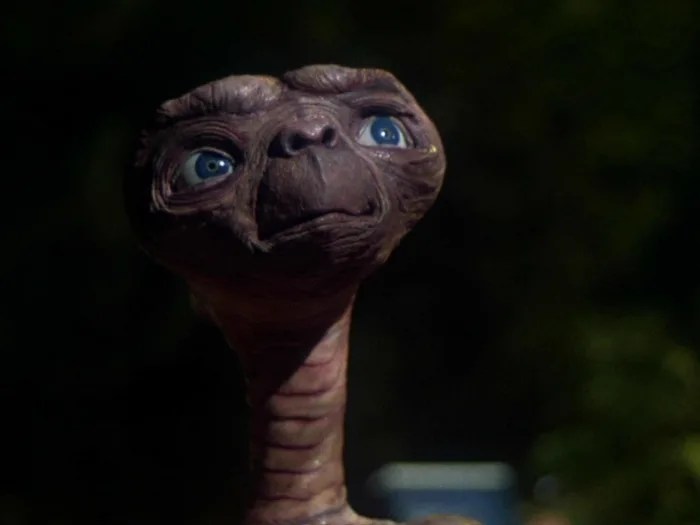
Disclosure of sentient extraterrestrial beings would raise a variety of theological questions for Christians and Christian leaders. However, I think the most significant theological questions are not about creation but about redemption. Christians generally have little difficulty believing that God could create intelligent beings elsewhere. The more difficult question is what relationship such beings would have to sin, salvation, and the work of Jesus Christ.
In other words, what significance does the gospel have for E.T.?
If intelligent life exists elsewhere in the universe, would those beings be fallen, as humanity is fallen? Would they need redemption? Would Christ’s death and resurrection apply to them? Do they also bear the image of God, as humans on Earth do? These questions have occupied Christian thinkers for centuries because they touch the very heart of the gospel.
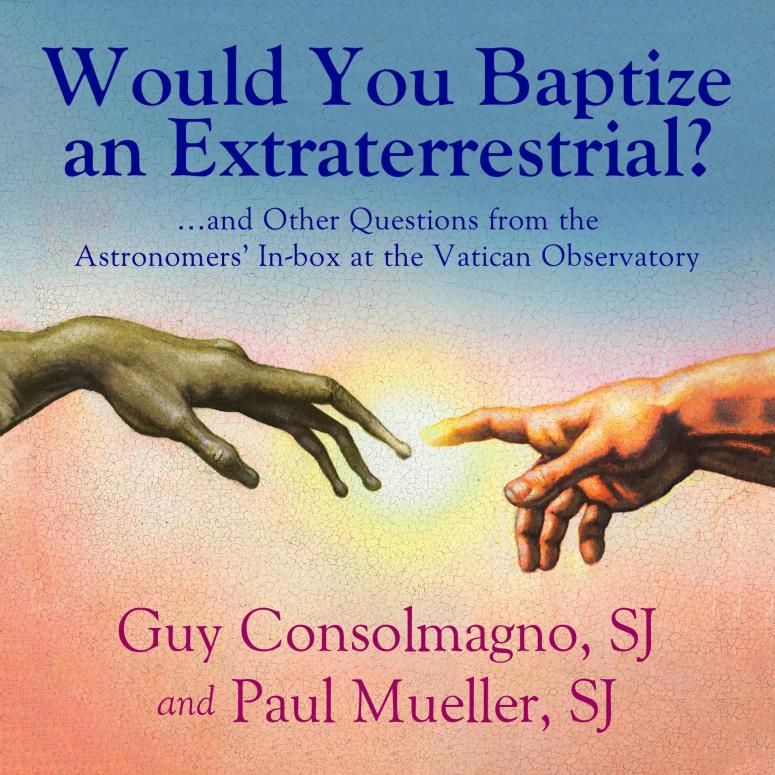
Vatican astronomers Guy Consolmagno and Paul Mueller memorably capture these issues of exotheology in the title of their book, Would You Baptize an Extraterrestrial? The question may sound humorous at first, but it forces us to think carefully about the nature of grace. Suppose an intelligent extraterrestrial demonstrated moral awareness, spiritual understanding, and genuine faith in Jesus Christ. How should the church respond?
Consolmagno’s answer is refreshingly simple. He would baptize the extraterrestrial. This idea is consistent with other Christian thinkers who have claimed that any fallen creature from any world would not only be under the same need for redemption, but that the redemptive work of Jesus completed on Earth for humanity through his death, burial, and resurrection is both sufficient and efficient for any and all beings of any and all worlds.
While that response initially surprises many people, it is deeply consistent with the logic of the New Testament. The story of the early church is, in many ways, the story of God repeatedly expanding people’s understanding of who belongs within His covenant community. Again and again, barriers that seemed permanent were removed by the power of the gospel. Those once considered outsiders were welcomed into the family of God through faith. I think it’s fitting that the New Testament term for hospitality is a combination of the word for family love and the word for stranger or alien – to extend Christian hospitality is to love strangers like family, until they become family.

The deeper challenge concerns the question of redemption itself. C.S. Lewis was fascinated by the possibility that some civilizations might never have experienced a fall. If that were true, they would have no need for redemption because they would have no need for rescue. Humanity’s story would not necessarily be everyone’s story.
This possibility invites humility, since Scripture does not answer these questions directly, and Christians should be careful not to speculate beyond what God has revealed. At the same time, we can rest confidently in what we do know. God’s wisdom is never inadequate to His creation. Whatever He creates, He governs. Whatever He governs, He loves. Whatever He loves, He accomplishes His purposes through.
I have often reflected on a conversation I had with a patient mentor of mine as a teenager when I first wrestled with these questions. His answer was wonderfully simple. “If God created them, He would have a plan for them.” The older I become, the more profound that answer appears. It reflects a confidence not in our capacity to understand, but in the expansive greatness of God’s character.
Ultimately, the question of extraterrestrial life brings us back to the same truth that stands at the center of the Christian faith. Jesus Christ is Lord and Creator. He is Lord not only of Earth but of all creation. The One who ordered time, space, and matter (Genesis 1:1) is the One who walked the roads of Galilee, and the same One through whom all things were made and in whom all things hold together (Colossians 1:16-17). Christ being King of kings and Lord of Lords applies to ours and all other worlds!
If you and I and our fellow earthlings are one day introduced to intelligent beings from elsewhere in the universe, I don’t believe such an encounter will nullify the gospel, nor will it exempt fallen creatures from their need for its saving message, no matter where in the universe they might have fallen. Then again, they might never have fallen. The point is, we won’t need a new gospel. We will discover that the Lord we already worship reigns over a creation even larger than we imagined. And that realization will not diminish our faith. It stands to deepen it.

