
It is easy to assume that discussions about extraterrestrial life belong entirely to the modern era. It’s no wonder people are often surprised to learn that Christians have been seriously thinking about these questions far longer than most of us realize. Long before telescopes, space exploration, and modern science fiction, Christian thinkers were already wrestling with the possibility that God’s creative activity might extend beyond the world we know.
That’s why the possibility of other worlds is not a challenge that suddenly appeared with modern science. No, the question naturally flows out of honest theological reflection on the character of God. The thinking went like this: If God is truly infinite in wisdom, limitless in power, and unrestricted in creativity, why should His work be confined to a single world? Early Christian thinkers rightly acknowledged that the boundaries of human imagination could hardly measure the greatness of God.
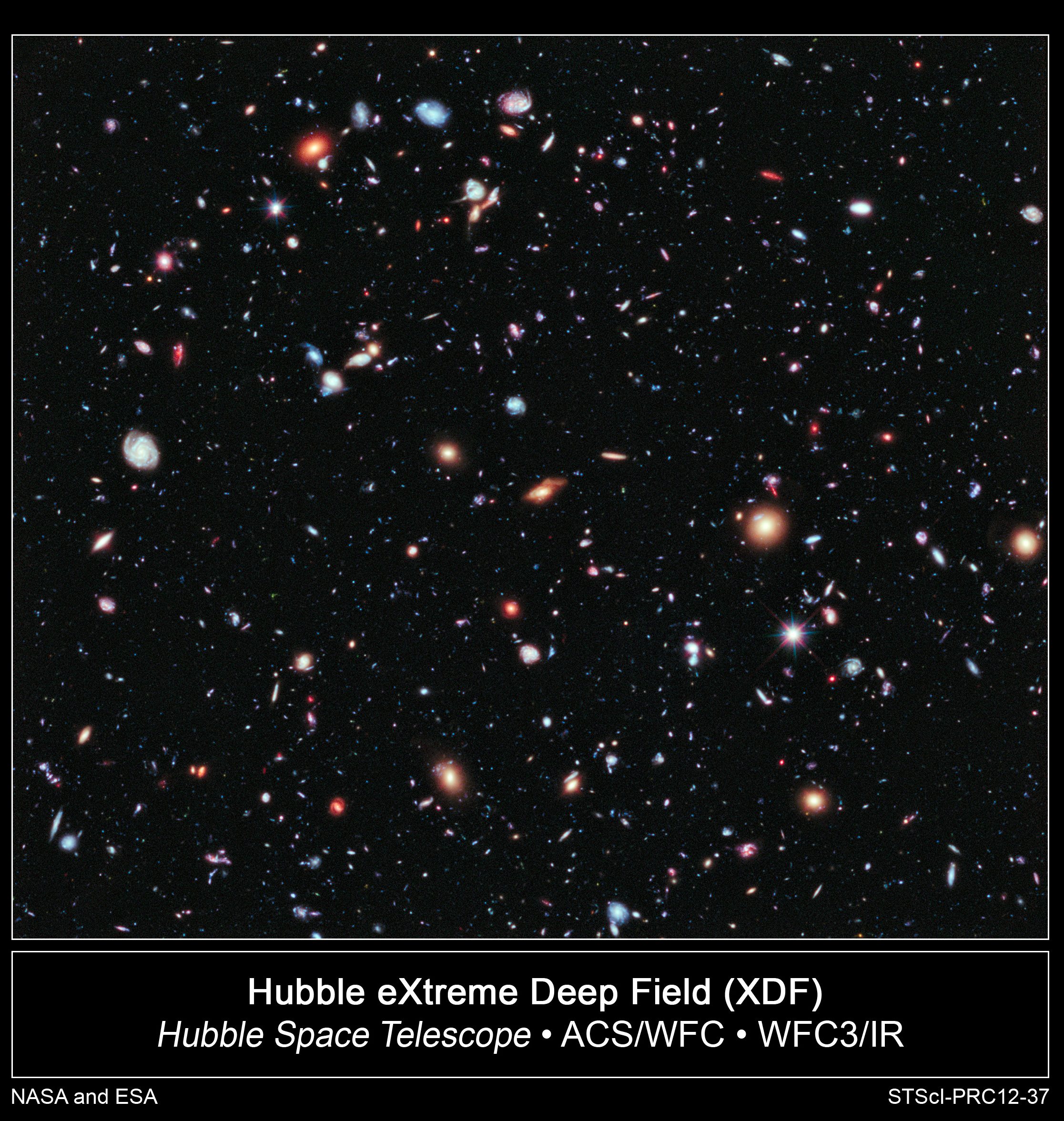
Let’s do a fly-by of a few examples:
Near the end of the first century, Clement of Rome referred to “worlds beyond” existing under God’s rule. Later, Origen considered the possibility of multiple worlds within the scope of divine providence. These were not scientific conclusions. They were theological reflections rooted in a deep conviction about God’s greatness and expansive creativity. For these early Christian thinkers, the issue was not whether other worlds existed; it was whether Christians should presume to place limits on what God could choose to create. This conviction remained consistent over several more centuries.
One fascinating example occurred in 1277 when the Bishop of Paris, Étienne Tempier, condemned several Aristotelian philosophical propositions that restricted God’s creative power. The Bishop considered it heresy to believe that God was incapable of creating multiple worlds. Many wrongly assume that the church historically resisted such ideas. In reality, centuries of brilliant theologians and philosophers from Bonaventure to Buridan and Ockham to Oresme all rejected notions that limited God’s freedom and omnipotence in creating other worlds, to the point that in 1463, William of Vaurouillon would write that God could create an infinite number of inhabited worlds, and even began to ponder what salvation and redemption would mean for those inhabitants.
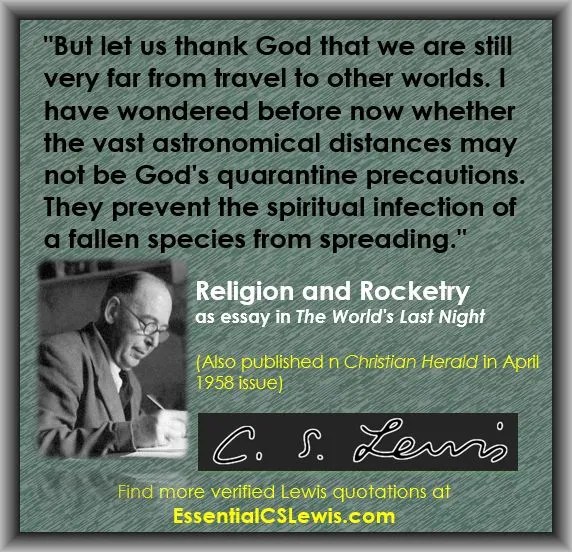
Centuries later, C.S. Lewis would revisit these same questions. Lewis approached the subject not as a scientist but as a theologian and storyteller. In his essay Religion and Rocketry, he suggested that Christians should not be surprised if intelligent life exists elsewhere in creation. In fact, he thought that we should expect it. What interested him most was not whether extraterrestrials existed, but what their existence might reveal about God and about us.
Lewis observed that we humans tend to assume that whatever we experience is what everyone else experiences – that our own experience is universal. We innately imagine that every intelligent creature would share our history, our struggles, and our spiritual condition. Yet Lewis challenged that assumption. What if there are civilizations that never experienced the fall? What if there are worlds where intelligent creatures continue to live in unbroken fellowship with their Creator? Such questions caused Lewis to prefer that fallen humans should not visit other worlds, out of concern that our corruption would spread to an unfallen world, as the quote in the image above conveys.
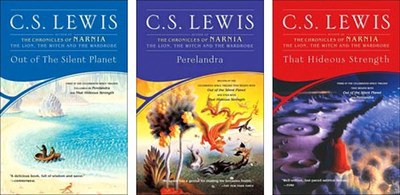
Lewis’ Space Trilogy puts these ideas front and center. These stories portray Earth not as the norm in the cosmos, but as an outlier—an unusual world—the “silent planet,” isolated by rebellion, while other worlds are alive and abuzz in unfallen faithfulness to God. Lewis was trying to help readers cultivate humility in how they frame their views of other worlds and the “others” from those worlds. He wanted us to recognize that God’s story may be far larger than the one we experience and inhabit here on Earth.
These lessons are profoundly relevant in this cultural moment. The possibility of other worlds should not lead Christians to fear. Instead, it should encourage us to marvel once again at the breadth of God’s creative work and the magnitude of His purposes.
But what bearing does this have on the sin, redemption, and salvation? What does the work of Jesus mean for extraterrestrial beings? That’s coming in part 3.


Hi Kevin, I so enjoyed reading your message , I have sent the second one